akshatha kulkarni
| Because great stories deserve to be understood….
-
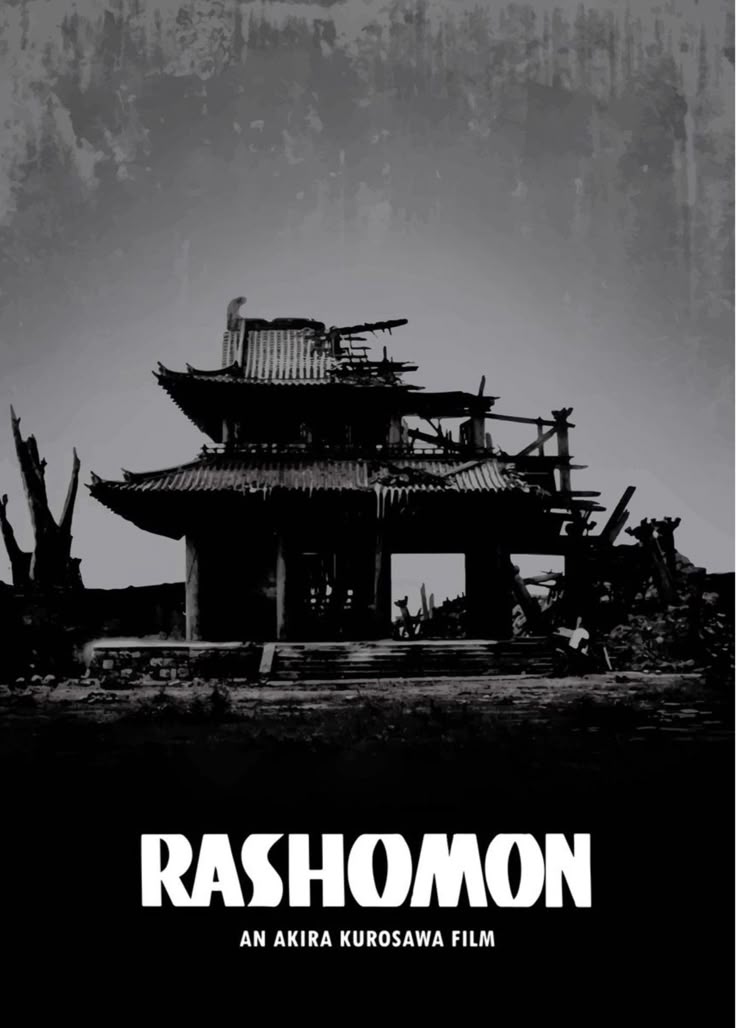
The Rashomon Effect: Why Multiple-Perspective Storytelling Is Cinema’s Most Underused Tool
•
In 1950, Akira Kurosawa released Rashomon, a film that would fundamentally alter how we think about truth, memory, and narrative reliability. The story is deceptively simple: four people witness the same violent incident in a forest, and each tells a dramatically different version of what happened. But the implications of this structure were so…
-
The Sushi Code: When Production Design Gets Hilariously Lazy
•
Every iconic film image carries an origin story. Sometimes that story involves months of painstaking design work and artistic vision. And sometimes—more often than you’d think—that story involves a designer shrugging, grabbing whatever was nearby, and hoping nobody would notice. The astonishing thing? These lazy shortcuts often become the very elements we remember most,…
-
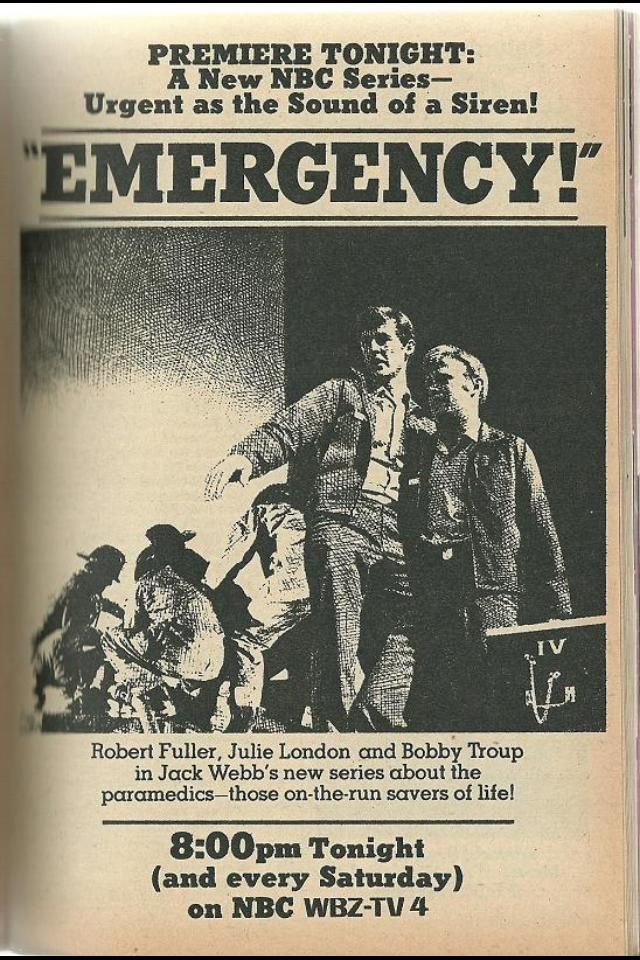
Movie Magic or Medical Emergency? When Actors’ Real Illnesses Made the Final Cut
•
Here’s something that keeps me up at night: some of the most iconic performances in cinema history weren’t really performances at all. They were medical emergencies captured on camera while directors kept rolling. I’m talking about Gene Kelly dancing with a 103-degree fever. Actors filming through genuine psychological breakdowns. Physical suffering so real that…
-
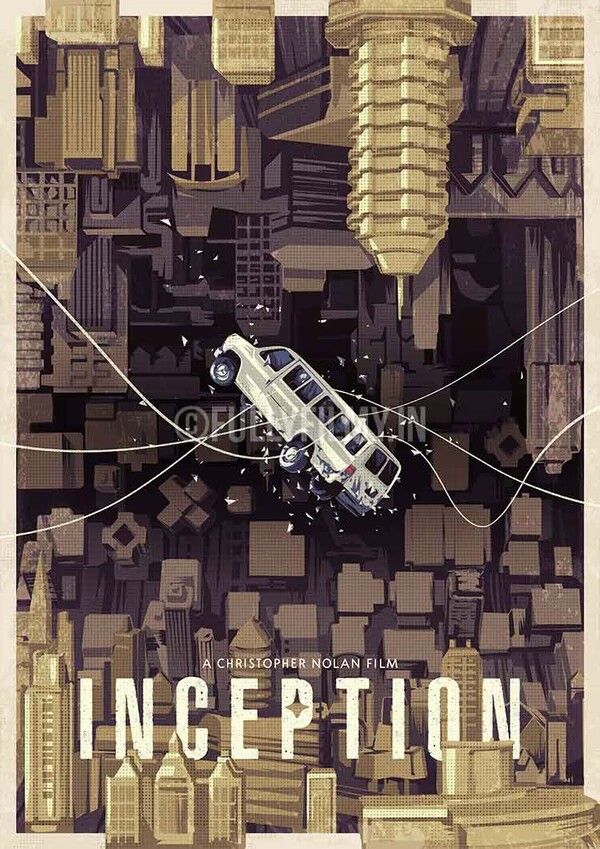
The Reverse Inception: Films That Tell Their Story Backward Without You Noticing
•
Most film buffs can name the obvious examples of reverse chronology in cinema—Memento, Irreversible, Betrayal. These films announce their backward structure as a central gimmick, a puzzle for audiences to solve. But what about the films that subtly weave reverse storytelling into their fabric without you ever consciously noticing? These are the movies that…
-
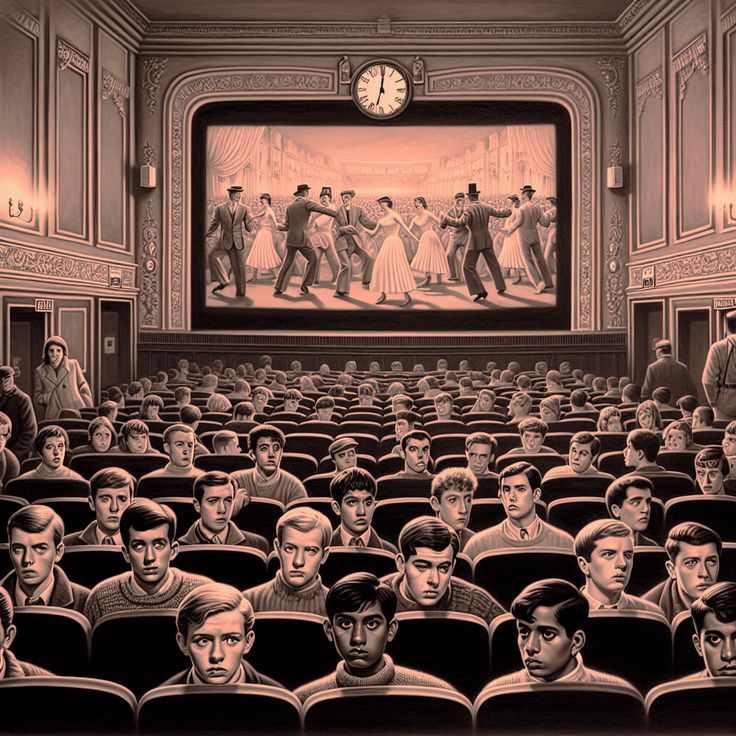
The Lost Art of the Iris Shot: Why Circular Transitions Vanished from Cinema
•
There’s a peculiar visual language that once dominated cinema but has now retreated into the realm of self-conscious homage and Looney Tunes cartoons. The iris shot—that circular mask that opens to reveal a scene or closes to end one—was once as essential to filmmaking as the cut itself. Then, almost overnight in cinematic terms,…